Autumn Budget 2026: What it means for first time buyers
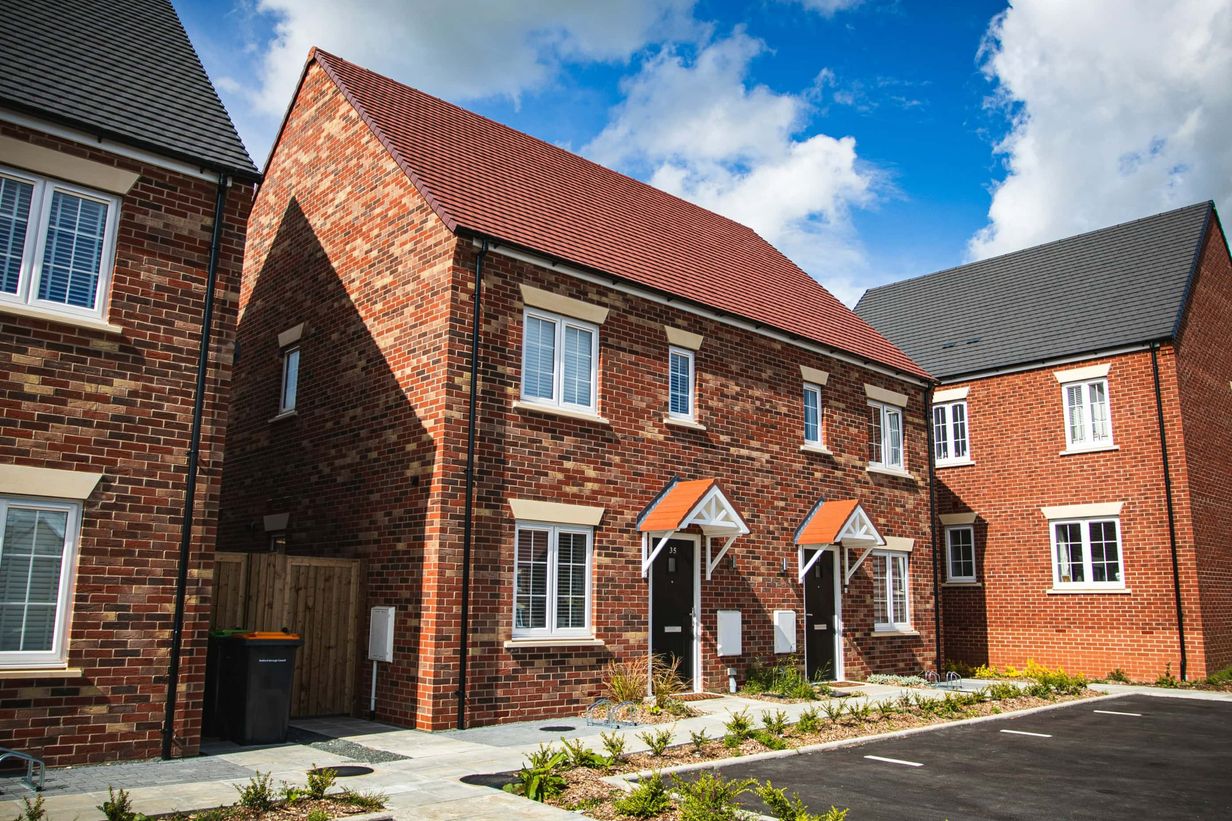
Chancellor John Healey delivered his first Budget today, confirming new, much-needed support for first time buyers with Your First Home, a £4.7 billion equity loan scheme that will help eligible buyers purchase a new-build home with a deposit of just 2.5%.
There was also some good news on Shared Ownership income caps, a new First Time Buyer ISA to replace the Lifetime ISA and an immediate change to Lifetime ISA charges.
Here’s everything you need to know, jargon-free.
Key Autumn Budget 2026 updates
Jump straight to the section you need:
Your First Home equity loan scheme
Eligible buyers will need a 2.5% deposit and receive a government-funded equity loan of 20%.
New Shared Ownership income caps
The household income threshold is rising to £90,000 outside London and £110,000 in London.
The new First Time Buyer ISA
Replacing the Lifetime ISA from April 2029.
Lifetime ISA changes
A lower withdrawal charge for homes above £450,000.
Short on time? Take a look at our Autumn Budget 2026 round-up for the key updates.
Your First Home: the Budget’s biggest news for first time buyers
What is the Your First Home scheme?
Your First Home is a government-backed equity loan scheme that has been introduced to help first time buyers in England buy a new-build home with a much smaller deposit.
Eligible buyers would need to put down a deposit of at least 2.5% of the purchase price. They would then receive a government-funded 20% equity loan to boost their deposit, meaning a smaller mortgage is required for the remainder of the property price.
First announced in September, the scheme was confirmed in today’s Budget with £4.7 billion of government-backed lending, expected to support around 70,000 first time buyers and the delivery of around 20,000 new homes.
Your First Home: Key facts at a glance
| Housing scheme features | What you need to know |
| What type of scheme is it? | A government-backed equity loan scheme. |
| Where does it apply? | New-build homes in England only, from developers signed up to the scheme. |
| Who is it for? | First time buyers only. |
| What’s the Household income cap? | £110,000 outside London; £140,000 in London. |
| What’s the deposit requirement? | Minimum 2.5% of the purchase price (up to a maximum of 15%). |
| What percentage is the equity loan? | Up to 20% of the property price. |
| What mortgage is required? | The remainder of the property price. With a 2.5% deposit, that’s 77.5%. |
| What’s the interest on the equity loan? | Interest-free for the first five years, with interest increasing gradually afterwards. |
| What are the property price caps? | Based on local authority median house prices. Inner London £650,000; outer London £500,000. |
| When does pre-registration open? | By the end of December 2026. |
| When do full applications open? | From February 2027. |
| When will the first loans be issued? | From April 2027. |

Interested in the Your First Homes scheme?
Register for email alerts and be the first to hear about key updates.
Who may be eligible for Your First Home?
To use Your First Home, you must be a first time buyer purchasing a home in England, and your household income must fall below the cap: £110,000 outside London or £140,000 in London. The income cap applies to your whole household, so if you’re buying with a partner, your combined income counts. The home you want to buy must also be priced below the local price cap for its area, and you’ll still need to be able to secure a mortgage for the remaining balance.
What types of property can you buy with Your First Home?
Your First Home can only be used to buy a new-build home from a developer that has signed up to the scheme. It can’t be used for second-hand homes. Price caps are set locally using local authority median house prices, so the maximum price you can pay will depend on where you’re buying. In London, the caps are £650,000 in inner London and £500,000 in outer London. It’s worth asking developers whether they’re participating before you set your heart on a development.
When can you apply for Your First Home?
The scheme opens in stages. Pre-registration is due to open by the end of December 2026, full applications are expected from February 2027, and the first equity loans are expected to be issued from April 2027. Until pre-registration opens, there’s nothing to apply for yet, but you can get ready by checking your credit report, building up your savings and speaking to a mortgage advisor about your borrowing options.
What are the things to consider before using Your First Home?
Your First Home is an equity loan, which means you’re borrowing, not receiving a grant. The loan is interest-free for five years, then interest increases gradually, so it’s important to plan ahead for when that period ends. The full repayment terms and any charges after the interest-free period should be checked carefully in the official scheme guidance once it’s published.
Shared Ownership income caps are going up
What’s changing for Shared Ownership income caps?
The household income caps for Shared Ownership are rising for the first time since 2016. Housing Minister Matthew Pennycook confirmed in a statement to Parliament on October 26th, just ahead of the Budget, that the cap will increase from £80,000 to £90,000 outside London, and from £90,000 to £110,000 in London. The changes are due to come into effect from the new year.
Why does this matter?
Income caps had been frozen for a decade while earnings and house prices rose, which meant fewer households on lower-to-middle incomes were able to qualify. Raising the caps opens Shared Ownership up to more working households. Until the new caps take effect, the current limits of £80,000 (£90,000 in London) still apply.
| Current cap | New cap (from 2027) | |
| Outside London | £80,000 | £90,000 |
| London | £90,000 | £110,000 |
The new First Time Buyer ISA
What is the First Time Buyer ISA?
The First Time Buyer ISA is a new savings product that will replace the Lifetime ISA for new accounts from April 2029. It’s designed to keep what people value about the Lifetime ISA: you can save up to £4,000 a year and receive a 25% government bonus, up to £1,000 a year, when you use the money to buy a qualifying first home worth up to £450,000.
What’s different from the Lifetime ISA?
The main differences are that there’s no upper age limit and no withdrawal charge because the bonus is paid when you buy. The £450,000 property price cap stays the same. If the home you want costs more than the limit, you will get back at least what you paid in, according to the Chancellor. Existing Lifetime ISA holders are not expected to lose their accounts. Full details of how the new ISA will work are still to come.
Lifetime ISA changes from October 29th 2026
What’s changing for Lifetime ISA savers?
From tomorrow, October 29th 2026, Lifetime ISA savers who want to buy a first home costing more than £450,000 will be able to withdraw their funds for the purchase, subject to a reduced 20% charge instead of the previous 25%. The lower charge means you won’t lose any of your own contributions, only the government bonus, which can make a real difference in higher-priced areas such as London and the South East.
What’s staying the same?
The £450,000 property price cap for the government bonus is unchanged. A 25% charge still applies to Lifetime ISA withdrawals made for reasons other than buying a first home or reaching age 60. You can currently open a Lifetime ISA between the ages of 18 and 39, and pay in until you’re 50.
Hear from Share to Buy’s Chief Operations Officer
Nick Lieb, Chief Operations Officer at Share to Buy, comments: “Help to Buy equity loan showed how government support could get buyers moving and stimulate the new-build market. Since it ended, Shared Ownership and Rent to Buy have continued to provide valuable routes into homeownership. But a gap has remained, particularly for buyers who earn above Shared Ownership’s income caps and still struggle to buy outright.
Earning above an income cap doesn’t magically produce a deposit. If only.
Today’s Your First Home announcement could help bridge that gap. At Share to Buy, we’ve helped hundreds of thousands of first time buyers onto the property ladder through Shared Ownership, Help to Buy and a variety of government and private schemes. Drawing on that experience, here are three reasons this matters for buyers and housebuilders alike.“
Click below to read Nick’s full article.